Did you know that in the United States alone, there are over 100,000 reported injuries each year related to aerial work platforms? That’s a staggering number! With such high stakes involved in using elevating work platforms (EWPs), understanding their legal and regulatory attributes is crucial for both operators and employers.
The Essentials of Elevating Work Platforms
Elevating work platforms are essential tools used across various industries, from construction to maintenance. These machines allow workers to reach heights safely and efficiently. However, they come with specific legal regulations that govern their use. For instance, OSHA (Occupational Safety and Health Administration) has established guidelines ensuring that these platforms meet safety standards before being deployed on job sites. Moreover, when it comes to the enforcement of contracts regarding EWPs, it’s vital for companies to adhere strictly to these regulations; failure can lead not only to accidents but also significant legal repercussions.
Straight Boom Lifts: A Closer Look at Enforcement of Contracts
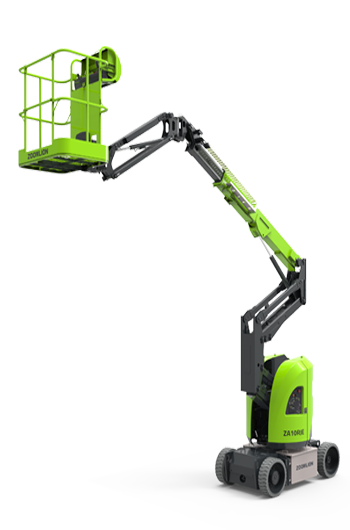
Straight Boom Lifts are a popular type of elevating work platform known for their ability to extend straight up without any lateral movement. When discussing enforcement of contracts related to straight boom lifts, several factors come into play. First off, manufacturers must ensure compliance with safety standards outlined by governing bodies like ANSI (American National Standards Institute). Additionally, rental agreements often stipulate conditions under which these lifts can be operated—such as operator training requirements—which must be enforced rigorously. This ensures not just adherence but also promotes a culture of safety within organizations utilizing this equipment.
Diving into Zoomlion Access and Its Contractual Features
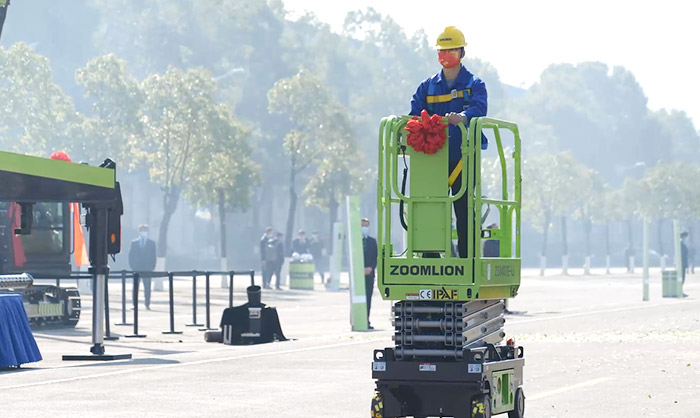
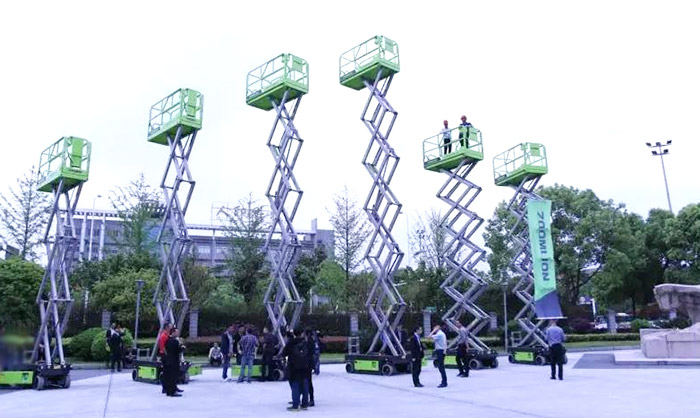
Zoomlion Access is another key player in the elevating work platform market known for its innovative designs and robust performance features. In terms of enforcement of contracts, Zoomlion emphasizes rigorous testing protocols before any machine hits the market—a practice that’s critical given the potential risks associated with elevated working environments. Their contractual obligations typically include comprehensive warranties covering parts and service support while adhering closely to local laws regarding machinery operation safety standards.
Wrapping It Up: The Importance of Compliance
In conclusion, elevating work platforms play an integral role in many industries but come with serious responsibilities tied directly into their legal frameworks—especially concerning contract enforcement. Understanding how different types like straight boom lifts or brands such as Zoomlion Access operate within this landscape helps ensure safer workplaces while minimizing liability risks for all parties involved.