
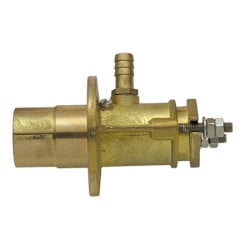
A smooth and reliable ride on the water depends on more than just a powerful engine and a well-maintained hull. One often-overlooked component that plays a crucial role in marine engine performance is the shaft seal. Shaft seals are vital for preventing water intrusion, maintaining lubrication, and ensuring the longevity of your boat’s propeller shaft and drivetrain. Whether you own a small recreational boat or a larger yacht, high-quality shaft seals are essential for safe and efficient operation.
What Are Shaft Seals?
A shaft seal, sometimes called a propeller shaft seal or stuffing box seal, is a component that seals the point where the propeller shaft passes through the hull of the boat. Its primary purpose is to prevent water from entering the boat while allowing the propeller shaft to rotate freely. Without a properly functioning shaft seal, water can seep into the bilge, leading to potential flooding, engine damage, and costly repairs.
Modern shaft seals are typically made from durable materials like rubber, stainless steel, or synthetic polymers, designed to withstand constant contact with water, salt, and rotational friction. They are engineered to provide a tight, leak-free fit while minimizing wear on the propeller shaft.
Types of Shaft Seals
Shaft seals come in various designs to suit different types of boats and propulsion systems:
- Packing Gland (Stuffing Box): One of the oldest types, using braided rope packing or synthetic material tightened around the shaft to create a watertight seal.
- Lip Seals (Mechanical Seals): Modern seals with elastomeric lips that press against a stainless steel or ceramic shaft sleeve, providing superior leak protection.
- PSS (Packless Seals): Advanced mechanical seals that require minimal maintenance and offer reliable, near-zero water ingress.
- Dripless Shaft Seals: Designed for high-performance boats, these seals prevent water from dripping into the bilge and reduce the need for constant adjustments.
Choosing the right shaft seal depends on the size of the boat, shaft diameter, engine power, and operating conditions.
Benefits of Quality Shaft Seals
Investing in a high-quality shaft seal offers several advantages:
- Prevents Water Intrusion: Protects the hull, engine, and bilge from leaks and potential flooding.
- Reduces Wear and Tear: Proper sealing minimizes friction and extends the life of the propeller shaft and bearings.
- Low Maintenance: Modern mechanical and dripless seals require less frequent adjustment than traditional packing glands.
- Enhanced Safety: Prevents sudden water ingress, reducing the risk of accidents or emergency situations on the water.
Maintenance Tips
Even the best shaft seals require routine inspection and maintenance. Check for signs of wear, cracking, or leaks and replace worn seals promptly. For traditional packing glands, adjust the packing material periodically to ensure a proper seal without over-tightening, which can damage the shaft. Rinse seals with fresh water after use in saltwater to prevent corrosion and buildup.
Conclusion
The shaft seal may seem like a small component, but it plays a crucial role in protecting your boat’s propulsion system and ensuring safe operation on the water. From preventing water ingress to reducing friction and maintenance needs, a well-maintained shaft seal is an essential investment for every boat owner. Choosing the right type of seal and maintaining it properly ensures reliability, safety, and peace of mind — keeping your vessel performing at its best for years to come.
