
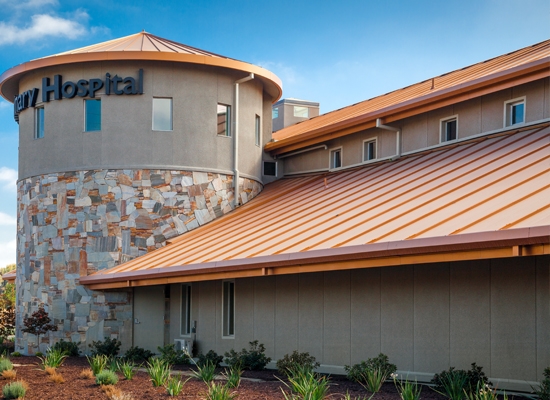
Metal roofing metal roofing for commercial buildings has emerged as one of the most reliable and long-lasting solutions for commercial buildings across the United States. Its popularity among contractors, architects , and building owners is driven by a combination of durability, energy efficiency, and minimal maintenance requirements. For commercial structures—ranging from warehouses and retail stores to office complexes and industrial facilities—metal roofing provides a sustainable and economically smart choice that can withstand the diverse climate challenges across the country.
Advantages of Metal Roofing in Commercial Construction
One of the primary reasons metal roofing is favored for commercial applications is its durability. Unlike traditional asphalt shingles, metal roofs are highly resistant to extreme weather conditions. Whether it is heavy snowfall in the northern states, strong winds along the Gulf Coast, or intense heat in the Southwest, commercial metal roofs are engineered to endure harsh environments without significant wear. This longevity translates into fewer repair costs over time and a lower total cost of ownership. On average, a well-installed metal roof can last 40 to 70 years, significantly longer than other conventional roofing materials.
Metal roofing is also exceptionally lightweight compared to materials like concrete or clay tiles. This characteristic reduces the structural load on commercial buildings, allowing for more flexible architectural designs and often decreasing construction costs. For new commercial construction, this advantage allows contractors to allocate resources to other critical building components while ensuring a strong and secure roof.
Energy Efficiency and Sustainability
Energy efficiency is another compelling benefit of metal roofing for commercial buildings. Metal roofs reflect a significant portion of solar radiant heat, which helps reduce cooling costs during hot summer months. Many U.S. contractors report that businesses can see energy savings of up to 25% with reflective metal roofing systems. This efficiency contributes not only to lower utility bills but also to a smaller carbon footprint, aligning with the growing trend of sustainable and green construction practices.
In addition to energy savings, metal roofs are highly recyclable. At the end of their long lifespan, metal roofing panels can be repurposed or recycled, making them an environmentally responsible choice. Many commercial property owners, particularly those in states with strict green building codes like California and New York, consider metal roofing as a key component in achieving sustainability certifications such as LEED.
Types of Metal Roofing for Commercial Buildings
Commercial buildings can utilize a variety of metal roofing materials, each offering unique benefits. Steel is the most common choice due to its affordability, strength, and ease of installation. Galvanized and galvalume steel options provide excellent resistance to corrosion, ensuring the roof maintains its appearance and functionality for decades.
Aluminum roofing is another popular option, particularly for coastal regions, because it resists rust and corrosion caused by salt-laden air. Copper and zinc roofing, although more expensive, are valued for their longevity and distinctive aesthetic appeal. Contractors often recommend these premium metals for high-profile commercial projects where visual impact is as important as durability.
Installation Considerations
Proper installation is critical to maximizing the lifespan and performance of a metal roof. Experienced contractors in the United States follow industry-standard installation techniques, which include secure panel fastening, appropriate insulation, and sealing of joints and edges. Improper installation can lead to leaks, noise issues, and reduced energy efficiency, underscoring the importance of hiring licensed professionals familiar with commercial roofing standards.
Moreover, commercial buildings often require customized metal roofing systems to accommodate HVAC units, skylights, and other rooftop equipment. Advanced designs such as standing seam panels and trapezoidal profiles allow for enhanced flexibility and improved water drainage, which is crucial for large-scale structures. Contractors also consider local building codes, wind uplift ratings, and fire resistance standards when selecting materials and installation methods.
Maintenance and Longevity
While metal roofs are low maintenance compared to asphalt or wood alternatives, regular inspections are recommended to ensure optimal performance. Contractors advise checking for debris accumulation, corrosion points, and loose fasteners at least twice a year. Routine maintenance can prevent minor issues from escalating into costly repairs and extends the roof’s functional lifespan.
Another advantage of metal roofing is its fire resistance. Many metal roofs carry a Class A fire rating, the highest available, which can help commercial property owners reduce insurance premiums. In addition, metal roofing does not support the growth of mold, mildew, or insects, providing a healthier environment for employees and visitors.
Cost Considerations
While the initial investment in metal roofing may be higher than traditional options, the long-term benefits often outweigh upfront costs. Reduced maintenance, energy efficiency, durability, and potential tax incentives for sustainable building practices contribute to a favorable return on investment. In regions prone to storms, hail, or heavy snow, metal roofs can also minimize the risk of structural damage, making them a cost-effective choice over time.
Contractors frequently provide customized estimates based on building size, roof design, material selection, and regional climate considerations. This ensures that each commercial project receives a tailored solution that balances performance, aesthetics, and budget constraints.
Conclusion
Metal roofing is a practical and strategic choice for commercial buildings throughout the United States. Its durability, energy efficiency, and low maintenance requirements make it an appealing option for property owners and contractors alike. By selecting the right material, design, and installation team, businesses can achieve a roofing system that not only enhances building performance but also contributes to long-term cost savings and environmental sustainability. For commercial construction projects, investing in a high-quality metal roof is a decision that delivers tangible benefits for decades.
