
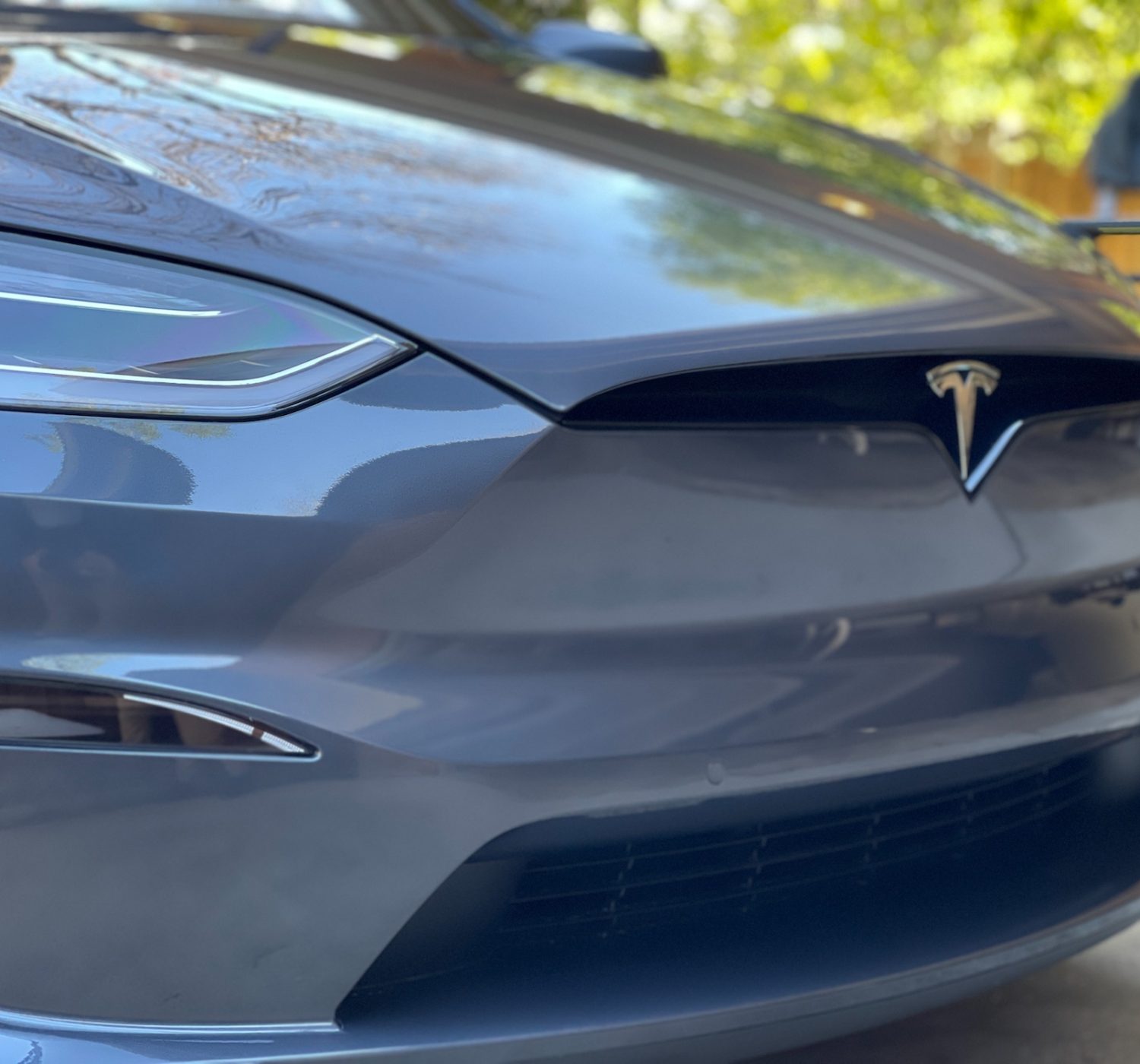
In the bustling and sun-drenched city of Dallas, maintaining the aesthetic appeal of your vehicle is more than just a luxury; it’s a necessity. The harsh Texas climate, characterized by intense UV rays and frequent dust storms, can take a significant toll on your car’s paint. This is where paint correction comes into play—a specialized service designed to restore and enhance your vehicle’s paintwork to its original, pristine condition. This comprehensive dallas paint correction guide explores the importance of paint correction in Dallas, detailing the process involved, and outlining the benefits of investing in this transformative service.
Understanding Paint Correction
Paint correction is a meticulous process aimed at addressing various paint imperfections such as swirl marks, scratches, oxidation, and water spots. These issues can arise from everyday wear and tear, improper washing techniques, and environmental factors. In Dallas, where the sun’s intense rays and airborne contaminants can accelerate paint deterioration, paint correction becomes a crucial service for preserving and enhancing your vehicle’s appearance. The primary goal of paint correction is to remove these imperfections and restore the paint’s clarity and depth, resulting in a mirror-like finish.
The Paint Correction Process
The process of paint correction involves several detailed steps, each designed to address specific issues and achieve a flawless result. Here’s an overview of the typical paint correction process:
- Initial Wash and Decontamination: The first step involves thoroughly washing the vehicle to remove surface dirt, grime, and contaminants. This initial wash is essential to prevent any particles from scratching the paint during subsequent stages. After washing, the car undergoes decontamination using clay bars or chemical decontaminants to remove embedded contaminants that could interfere with the paint correction process.
- Paint Inspection: Following the wash and decontamination, a detailed inspection of the paint is conducted. Technicians use specialized lighting and tools to assess the extent and type of imperfections, such as swirl marks, scratches, and oxidation. This inspection is crucial for determining the appropriate compounds and techniques needed for effective correction.
- Compounding: Compounding is a key stage where cutting compounds are applied to remove a thin layer of the paint surface. This abrasive process eliminates deeper imperfections and helps restore the paint’s clarity. A machine polisher is often used to ensure even application and optimal results. Depending on the severity of the issues, multiple rounds of compounding may be necessary.
- Polishing: After compounding, polishing is performed to further refine the paint surface. This involves applying a finer polish to remove any residual haze left from the compounding stage and enhance the paint’s gloss and clarity. Polishing is essential for achieving a smooth, high-shine finish that reflects light beautifully.
- Finishing: The final stage involves a thorough inspection to ensure that all imperfections have been addressed and that the paint has a consistent, flawless finish. Any remaining minor issues are corrected, and a protective layer is often applied to enhance the paint’s durability and shine. This may include applying a wax, sealant, or ceramic coating, depending on the desired level of protection.
Protective Measures Post-Correction
To maximize the benefits of paint correction and preserve the newly restored paint, additional protective measures are often recommended. Two popular options are ceramic coatings and paint protection films (PPF).
- Ceramic Coatings: Ceramic coatings are advanced products that form a hydrophobic layer over the paint, repelling water, dirt, and UV rays. This protective layer helps maintain the paint’s clarity and reduces the frequency of washing and maintenance. Ceramic coatings provide long-lasting protection and enhance the vehicle’s overall appearance.
- Paint Protection Film (PPF): PPF is a transparent, durable film applied to the vehicle’s paint to protect against rocks, road debris, and minor abrasions. PPF acts as a physical barrier that prevents chips and scratches, ensuring the paint remains in pristine condition. It is an excellent choice for those looking to safeguard their investment in paint correction.
Choosing the Right Paint Correction Service in Dallas
Selecting a reputable paint correction service is crucial for achieving the best results. Here are some factors to consider when choosing a provider:
- Experience and Expertise: Look for technicians with extensive experience in paint correction. Experienced professionals are more likely to deliver high-quality results and handle complex paint issues effectively.
- Quality of Products: Ensure that the service provider uses high-quality compounds, polishes, and protective products. The choice of products can significantly impact the outcome of the paint correction process.
- Customer Reviews and Portfolio: Check customer reviews and ask for a portfolio of previous work. This will give you an idea of the provider’s capabilities and the level of satisfaction among their clients.
- Cost and Service Packages: Understand the costs involved and what is included in the service package. Some providers offer comprehensive packages that include additional services such as detailing and protection, which can provide added value.
Benefits of Paint Correction
Investing in paint correction offers numerous benefits for Dallas car owners. Beyond restoring the vehicle’s appearance, paint correction can significantly boost its resale value. A well-maintained paint job signals to potential buyers that the car has been cared for, making it a more attractive option in the resale market. For car enthusiasts, paint correction provides an opportunity to showcase their vehicle’s true potential, ensuring it stands out with a flawless, mirror-like finish.
Conclusion
Paint correction is an essential service for Dallas vehicle owners looking to restore and enhance their car’s appearance. By addressing paint imperfections and applying protective measures, paint correction ensures that your vehicle remains in top condition, reflecting the city’s vibrant energy and the care you invest in your ride. With a thorough understanding of the process and careful selection of a skilled provider, you can achieve a stunning finish that will turn heads and keep your vehicle looking its best for years to come.
