
Walking into Light: A Tall Foyer’s Quiet Challenge
You step through the door and look up—way up. A tall foyer can lift the whole house, yet it can also leave the floor in shadow. Our local chandelier supply company hears this worry most weeks, mind. In spaces over 18 feet, light spreads thin fast, and many entries end up under 20 foot-candles at the floor. That’s why choices for chandeliers for two story foyers become make-or-break. The right piece balances scale, lumen output, and safe install. The wrong one? Glare up top, gloom down low.
In plain terms, height changes everything—mounting, weight, and service. A single junction box may not support a heavy frame. A standard driver may buzz if the dimmer is not matched. CRI matters for skin tones in the entry, and beam spread sets mood by the stairs. (No one wants harsh sparkle on a winter morning.) So here’s a question for you: how do we compare options without guesswork? Let’s put it in order and go step by step to what works best next.
Hidden Snags in Traditional Picks for Tall Foyers
Where do the usual choices fall short?
First, the scale. Many fixtures built for 9–10 foot ceilings get upsized and pushed into tall foyers. The result is a bright core high above, but weak light at the floor due to falloff. Secondary issue: glare. Open bulbs near 20 feet can sparkle, yet they cast sharp shadows on stairs. Then the hardware bites back. Conventional canopies and single-point mounts may not meet load rating for long suspensions. You may also face voltage drop on extended runs if the driver and dimming protocol are not paired. Look, it’s simpler than you think: long drop equals different rules for weight, wiring, and optics.
Maintenance is the quiet pain point. Cleaning and relamping at that height needs either a lift or a winch kit. Without a service plan, dust blooms and crystals dull. Dimming drivers that work with kitchen circuits can flicker on a foyer’s three-way switch. Mismatch the driver to the wall dimmer, and you’ll hear a hum. Thermal management matters, too—heat trapped at the canopy shortens component life. Even the sway from an air vent can make a multi-arm frame twist. Add it up: poor beam distribution, awkward access, and control noise. None are deal breakers alone, but together, they make the “pretty” choice a hard one to live with.
Comparing Smarter Systems for the Next Height Up
What’s Next
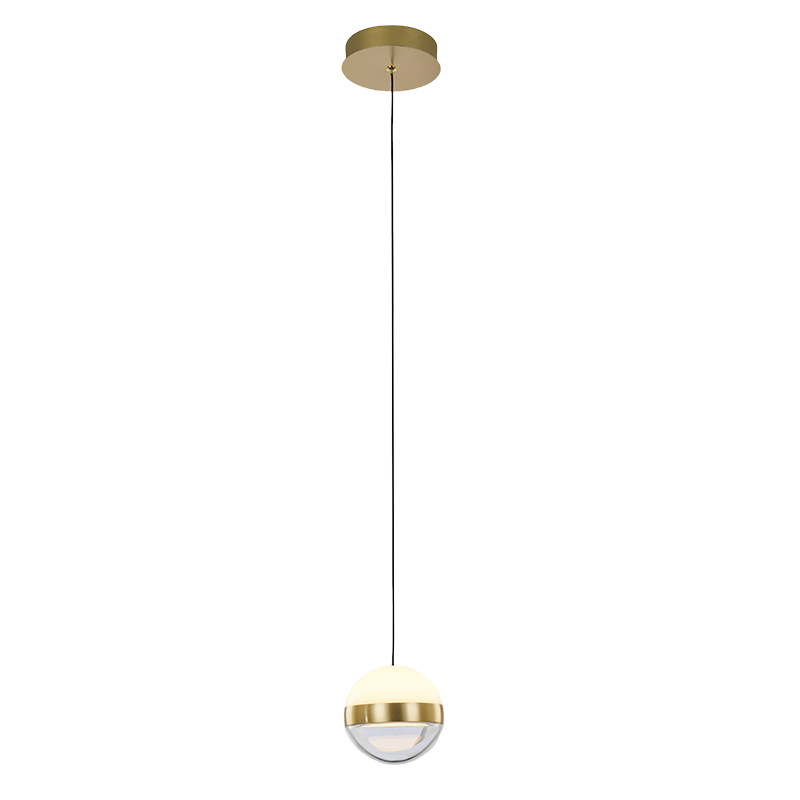
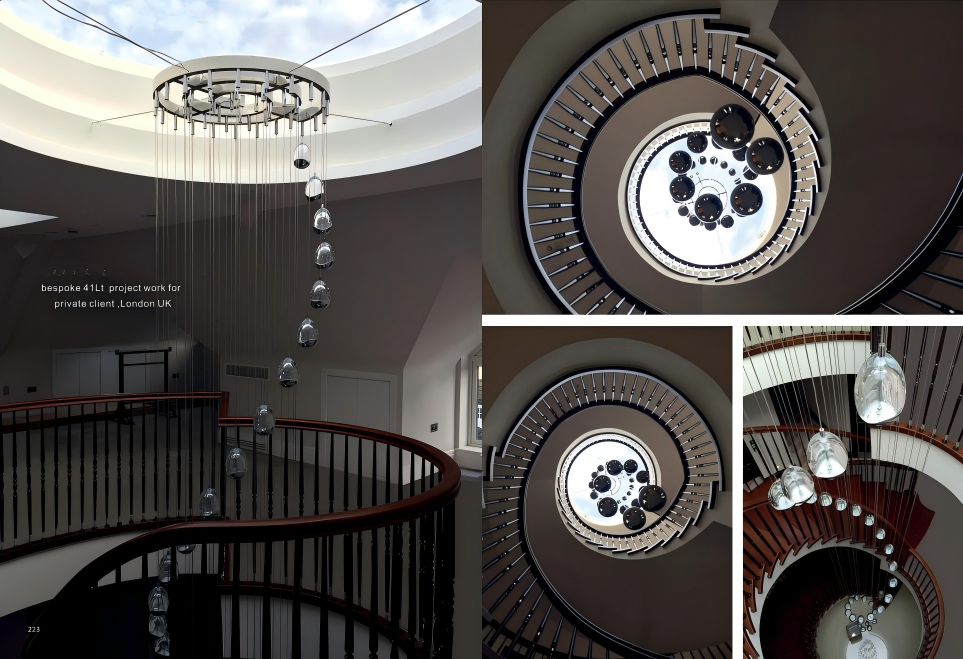
New principles fix old snags by splitting light and load. Think modular clusters with constant-current drivers, tuned for long drops. Multi-point canopies spread weight across anchors, so you meet the load spec without stress. Optics matter more than wattage here: layered globes or diffusers push even luminance down to the floor. A piece like a 14 globe pendant light shows the idea—more nodes, softer beams, and less glare. Pair that with 0–10V or PWM dimming that matches the driver, and flicker goes away. Add a service winch, and cleaning becomes a ten‑minute job, not a scaffold weekend.
Let’s keep it practical—and a touch forward-looking. Smart commissioning (BLE mesh nodes, low-voltage bus, proper power factor drivers) lets you set scenes by time or daylight. You can hold 300–500 lux at the floor without hard glare above. Swappable LED boards beat relamping; better CRI keeps wood and paint honest. And when a tall space needs calm, low-ripple dimming keeps stair treads safe—funny how that works, right? So how do you choose with confidence today? Use three checks: 1) Photometrics: confirm floor-level lux and beam spread at your ceiling height. 2) Controls: match driver type to your dimmer or control gateway to prevent buzz and flicker. 3) Serviceability: ensure weight rating, access plan (winch or drop rods), and a clear cleaning path. Do that, and your foyer stays bright, quiet, and easy to live with—proper job, as we say down here. Learn more at kinglong.a
