
Introduction
In the United States, the housing and construction industries depend heavily on the flow of mortgage financing. Whether for new residential builds or commercial Mortgage license development, contractors often rely on licensed mortgage professionals to secure funding. Obtaining a mortgage license is therefore essential for anyone looking to engage in lending, brokering, or servicing home loans legally. This article explains the mortgage license process, its significance for contractors, and how it integrates with the broader construction economy.
What Is a Mortgage License?
A mortgage license is an official authorization granted by state and federal regulatory bodies that allows an individual or business to originate, broker, or service mortgage loans. It ensures the professional meets education, background, and ethical standards required under the Secure and Fair Enforcement for Mortgage Licensing Act (SAFE Act). This system helps protect consumers and supports the financial integrity of the U.S. construction and real estate sectors.
Why Construction and Contractors Need Mortgage Professionals
In construction, securing financing is often the most critical step before breaking ground. Contractors depend on mortgage-backed funding to initiate residential and commercial projects. Licensed mortgage brokers and lenders help developers, subcontractors, and builders access the capital needed for:
- Land acquisition
- Construction loans
- Renovation projects
- Permanent financing after project completion
Without licensed mortgage professionals, builders would face financial bottlenecks that could delay or derail projects entirely.
Requirements for Getting a Mortgage License
Each U.S. state has its own licensing body, often overseen by the Nationwide Multistate Licensing System (NMLS). To acquire a mortgage license, individuals typically must:
- Complete Pre-Licensing Education – A minimum of 20 hours of approved coursework covering federal law, ethics, and nontraditional lending.
- Pass the SAFE MLO Test – This national exam measures understanding of mortgage laws, practices, and ethical lending.
- Undergo Background Checks – Applicants must submit fingerprints for an FBI background check and provide credit history information.
- Apply Through NMLS – Candidates must register, submit documentation, and pay applicable state and federal fees.
- Maintain Continuing Education – Each year, license holders must complete additional training to stay compliant.
For contractors exploring mortgage licensing as part of their financing strategy, partnering with or becoming a licensed mortgage broker can open additional revenue opportunities.
Mortgage Licensing and Construction Financing
Construction loans differ from traditional mortgages because they are short-term and disbursed in phases as a project progresses. Licensed mortgage originators must assess construction budgets, contractor credentials, and project timelines before approving funds. According to U.S. Census Bureau data (2024), over 1.4 million new housing units began construction annually, much of which required licensed mortgage professionals for financing coordination.
Licensed brokers also ensure compliance with building permits, contractor licensing, and state-level lending laws. This intersection between construction and mortgage regulation creates a safeguard against fraud and financial mismanagement in large-scale projects.
Impact on Contractors and Builders
When contractors work with mortgage-licensed professionals, they gain access to:
- Transparent funding channels
- Faster loan approvals
- Compliance with state construction and lending codes
- Improved project cash flow management
Moreover, contractors can collaborate with licensed mortgage companies to offer clients pre-approved financing packages — a strategy increasingly popular among design-build firms in the U.S. residential sector.
Regulatory Oversight
Each state’s Department of Financial Institutions or Banking Commission regulates mortgage licensing. Federal oversight comes from the Consumer Financial Protection Bureau (CFPB). These agencies ensure that all licensed mortgage originators uphold consumer protection laws and fair lending practices. Contractors operating in multiple states must verify that their lending partners possess the correct licensing credentials for each jurisdiction.
Challenges in the Licensing Process
Acquiring a mortgage license can be time-consuming, particularly for contractors unfamiliar with financial compliance. Common hurdles include:
- Understanding complex state-specific regulations
- Maintaining annual education and renewals
- Managing documentation and audits
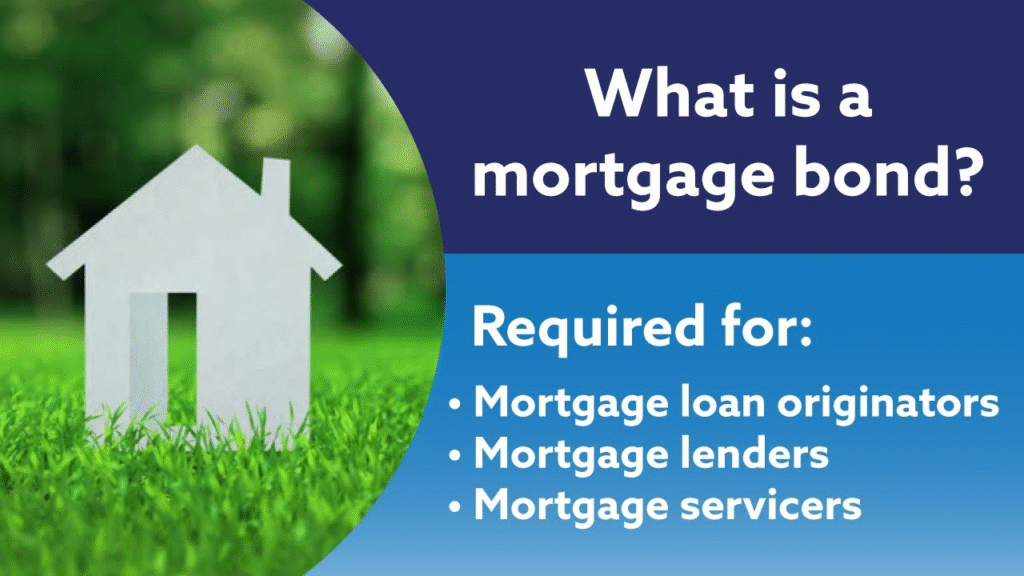
- Handling costs associated with application and bond requirements
However, technology has simplified this process. Many NMLS systems now allow digital submission of coursework, payments, and test scheduling, making it easier for contractors and financial partners to stay compliant.
Conclusion
The mortgage license is more than a regulatory requirement — it’s a key pillar supporting the U.S. construction industry. Licensed mortgage professionals bridge the gap between lenders, contractors, and homebuyers, ensuring every project is backed by legitimate, transparent financing. For contractors, aligning with mortgage-licensed experts can enhance business stability, promote client trust, and ensure sustainable growth in an evolving construction economy.
