
City Nights, Sharp Lines: The Setup
Here’s the truth: nightlife runs on spectacle. A sky laser cutting clean lines over rooftops turns heads, fast, and it changes how crowds move. You’re on a Brooklyn roof, cold air biting, speakers humming, and the skyline already bright. Data says most city dwellers live under heavy glow—light pollution above 80% in dense boroughs—so horsepower alone won’t save you. Can raw wattage punch through haze, or does control rule the game?
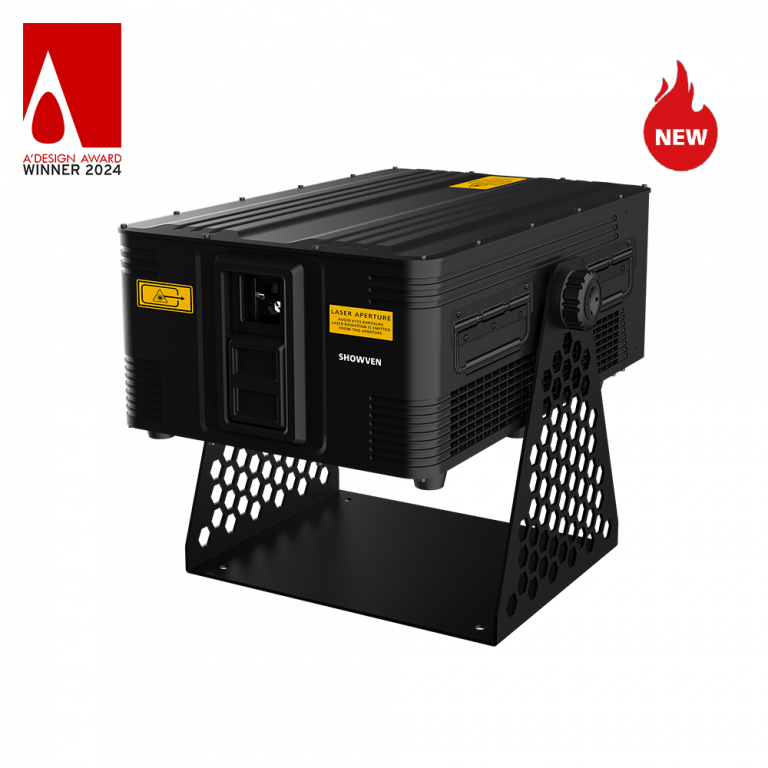
I’m talking practical stuff. Beam divergence needs to stay tight, or your line turns mush by the time it hits the clouds. And if your galvanometer scanners can’t keep up, your crisp pattern becomes jitter. That’s how it goes out here (deadass). The numbers look good on paper, but neighborhoods are noisy, windy, and reflective. Pieces of glass, metal, water—everything throws energy back. So, which wins on a real night: more watts, or smarter delivery with cleaner optics and better flow control?
Let’s break down the hidden gaps—then stack the results side by side.
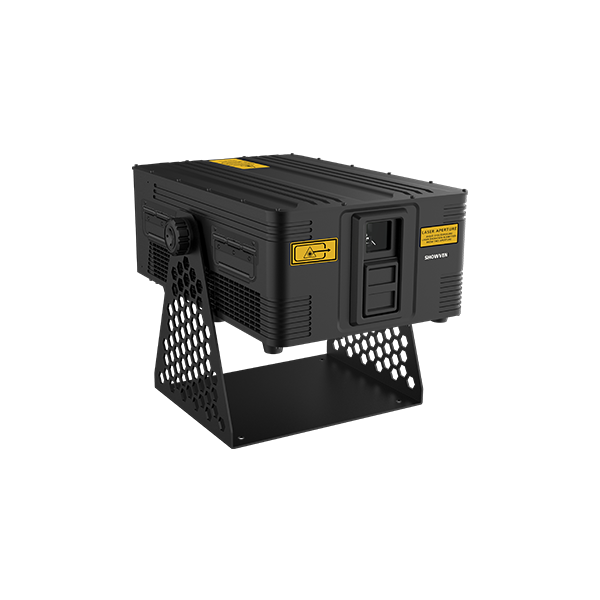
The Deeper Fault Line: Why 60W Doesn’t Automatically Win
Where do traditional rigs fall short?
People chase wattage like it’s a cheat code. A 60w laser light sounds like a ticket to the big leagues, but the physics—and the street—say otherwise. Thermal management keeps you honest: hit a long cue list and your duty cycle matters more than your spec sheet. If the cooling loop is weak, output sags and you’ll see it on the skyline. Low-grade power converters can add ripple, which shows up as flicker when scanners push max speed. Look, it’s simpler than you think: the chain is only as strong as its slowest part—funny how that works, right?
Then there’s control. If your galvanometer scanners can’t maintain linearity at speed, your circles become ovals and text goes ragged. Cheap optics widen beam divergence under heat, so your tight line becomes a glow. Safety interlocks must trip right every time, even when humidity jumps. And think about logistics: wind gusts, blade signage reflections, fog density. Old rigs ignore these variables and force you to overdrive, which creates hot spots and longer blackout times. In short, the pain points are hidden in the system: thermal headroom, scanner accuracy, and stable power—more than the “60W” brag.
From Power to Principles: The Better Play for Urban Spectacle
What’s Next
Modern rigs flip the script by focusing on control theory, not just muscle. Start with smarter power stages: high-efficiency PFC power converters feeding sensors that watch temperature and current in real time. The system adjusts output before heat creeps, so your duty cycle stays steady across the set. Add calibrated galvanometer scanners with feedback, and your beam path remains clean even under fast choreography. This is where an architectural laser approach matters—sealed optics, predictable beam divergence, and stable thermal behavior across outdoor nights. Not just brighter, but consistent. That’s the win.
Now scale it. Edge computing nodes handle local cue timing with sub-frame latency, while your main desk pushes DMX or ILDA control upstream. The rig uses telemetry to map gusts, temperature spikes, and reflectivity—then adapts patterns to reduce flare. Safety interlocks and redundant shutters guard the show without killing the vibe. It feels future-forward, but the rules are simple—wild, but true. Summing up: wattage helps, but intelligent power paths, better cooling headroom, and closed-loop scanners do the heavy lifting in cities.
If you’re choosing gear, use three checks: measure beam quality first (watch divergence and spot profile at distance); confirm thermal headroom and a stable duty cycle under real ambient heat; and validate the control stack—DMX/ILDA compatibility with responsive safety interlocks and local processing for tight sync. Follow those and your skyline lines stay sharp, your cues land, and your nights run smooth. Brands that lean into these principles, like Showven Laser, make the shift from watt-chasing to results you can see block to block.
